General Gynaecology
General Gynaecology
Comprehensive Gynaecological Care for Every Stage of Womanhood
Women's health needs change throughout life. From the first menstrual cycle and reproductive years to pregnancy, postpartum changes and later stages of life, regular gynaecological care plays an important role in maintaining overall wellbeing.
At Janki FemCare, we provide personalised gynaecological care for common and complex women's health concerns, with an emphasis on careful evaluation, clear communication and individualised treatment planning.
Dedicated Fertility Professionals
24/7 Patient Support
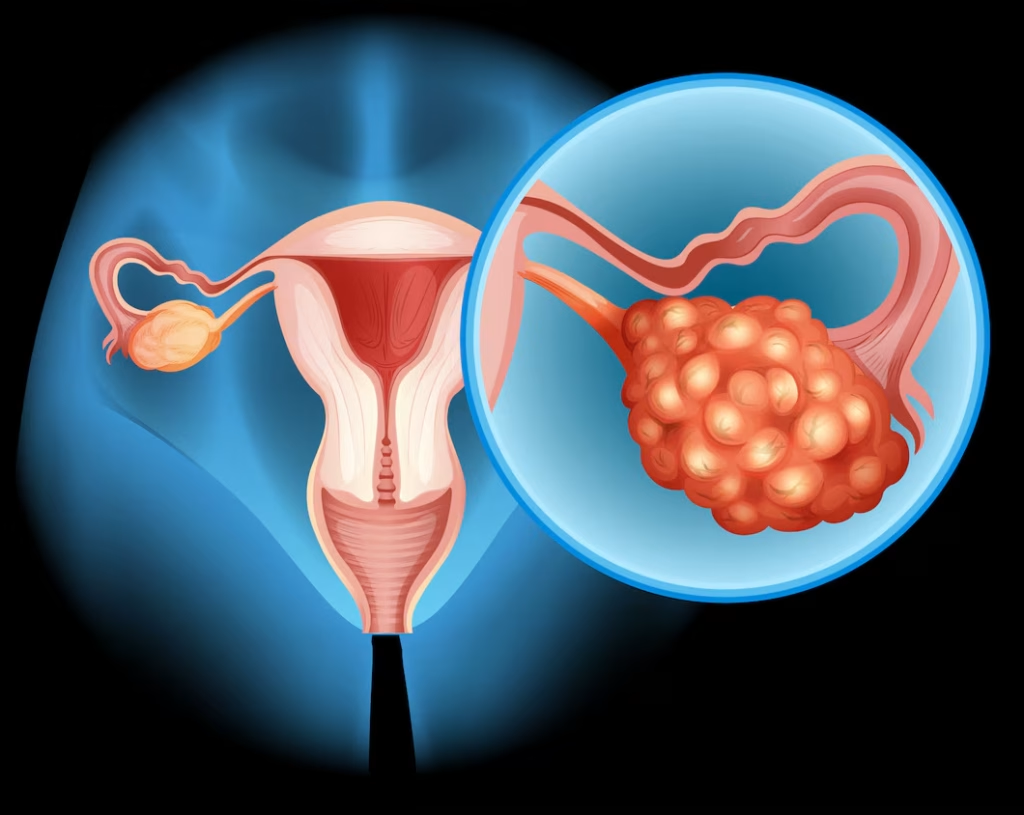
PCOS / PCOD Management
Polycystic Ovary Syndrome (PCOS) is a common hormonal condition that can affect menstrual cycles, ovulation, fertility and metabolic health.
Management is individualised according to symptoms, reproductive goals and overall health.
Care may involve:
- Menstrual concerns
- Ovulation-related concerns
- Fertility planning
- Hormonal evaluation
- Lifestyle guidance
- Long-term health management
Irregular Periods
Menstrual cycles can sometimes become irregular due to hormonal changes, PCOS, thyroid conditions, stress, weight changes and other factors.
Persistent or significant changes in menstrual patterns may require evaluation to understand the underlying cause.
Fibroids
Uterine fibroids are common non-cancerous growths that develop in or around the uterus.
Some women may have no symptoms, while others may experience:
- Heavy menstrual bleeding
- Pelvic pressure
- Period pain
- Changes in menstrual patterns
- Fertility-related concerns
Management depends on the size, location, symptoms and individual circumstances.
Heavy & Painful Periods
Heavy or painful periods can interfere with everyday activities and quality of life.
Depending on the symptoms and clinical history, evaluation may help identify conditions such as fibroids, endometriosis, adenomyosis or other causes of abnormal menstruation.
Endometriosis
Endometriosis is a condition in which tissue similar to the lining of the uterus grows outside the uterus.
It may be associated with:
- Painful periods
- Pelvic pain
- Pain during intercourse
- Fertility difficulties
- Chronic pelvic discomfort
Early evaluation can help in planning appropriate management.
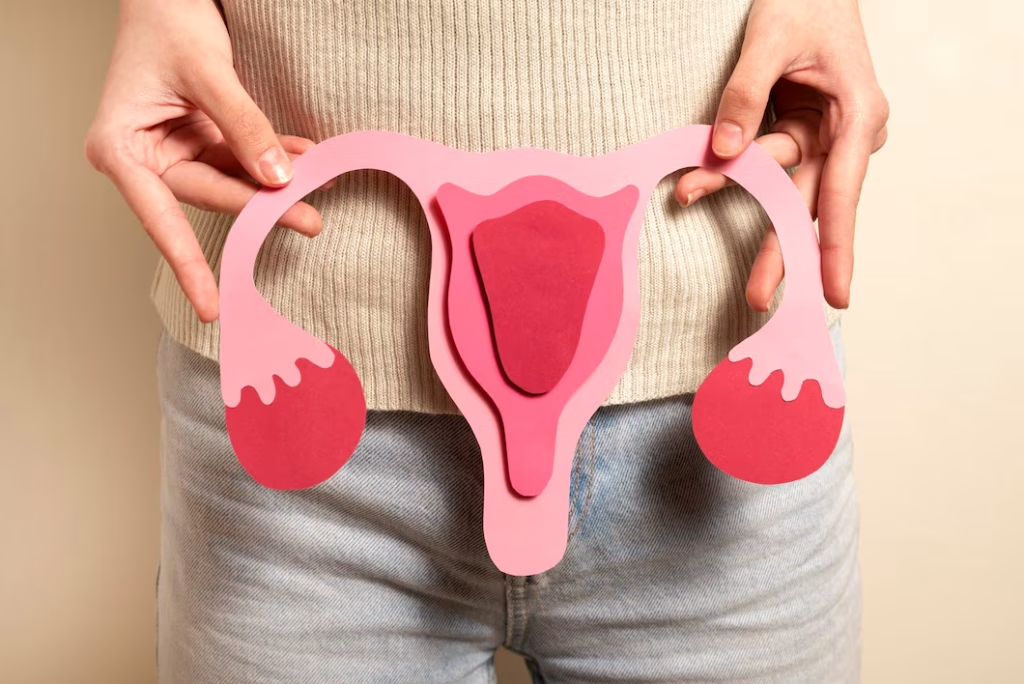
1. Adenomyosis
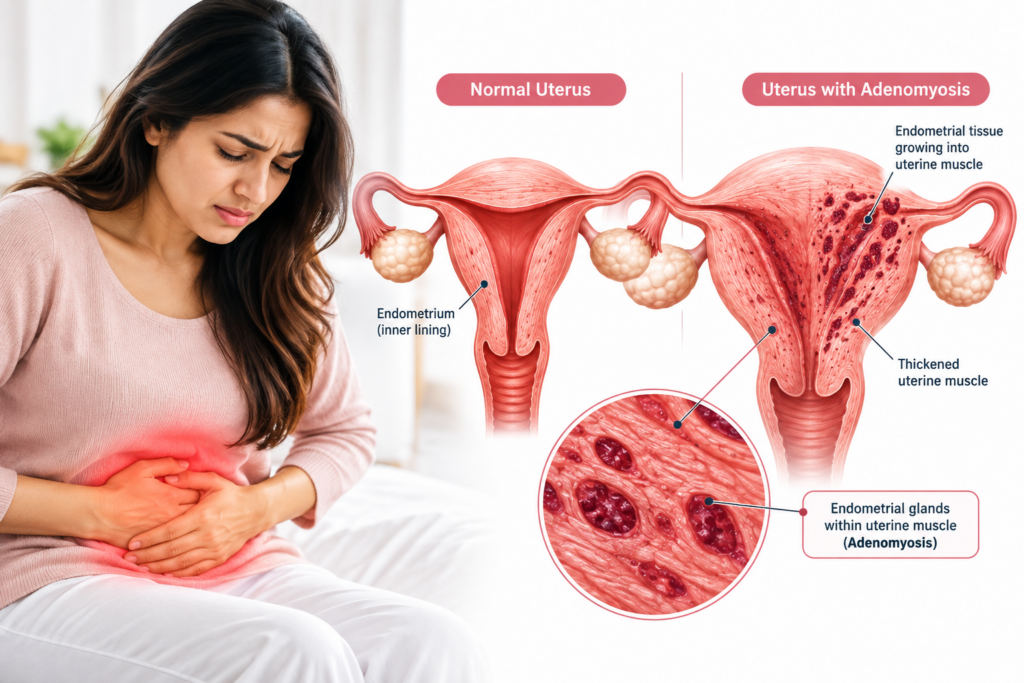
Adenomyosis occurs when tissue similar to the uterine lining grows into the muscular wall of the uterus. It may cause heavy periods, painful periods or pelvic discomfort. Treatment and management depend on symptoms, age, reproductive plans and individual health considerations.
2. Vaginal Infections
Vaginal infections may cause symptoms such as itching, unusual discharge, irritation, odour or discomfort. Because different conditions can produce similar symptoms, proper evaluation is important before selecting treatment.

3. Menstrual Disorders
Changes in menstrual flow, timing, duration or pain can sometimes indicate an underlying hormonal or gynaecological concern. We evaluate menstrual problems in the context of your overall health and medical history.
4. Adolescent Gynaecology
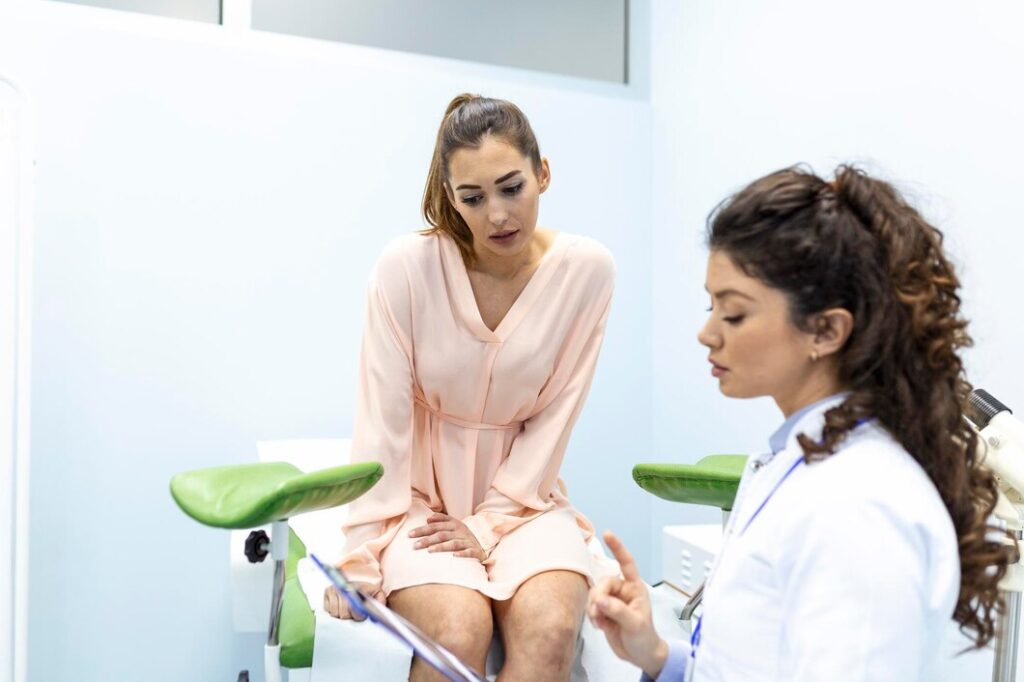
Adolescence is an important stage of development and can involve questions or concerns related to periods, menstrual pain, hormonal changes and reproductive health. Our approach focuses on age-appropriate, respectful and confidential care.
5. Pap Smear & Cervical Screening
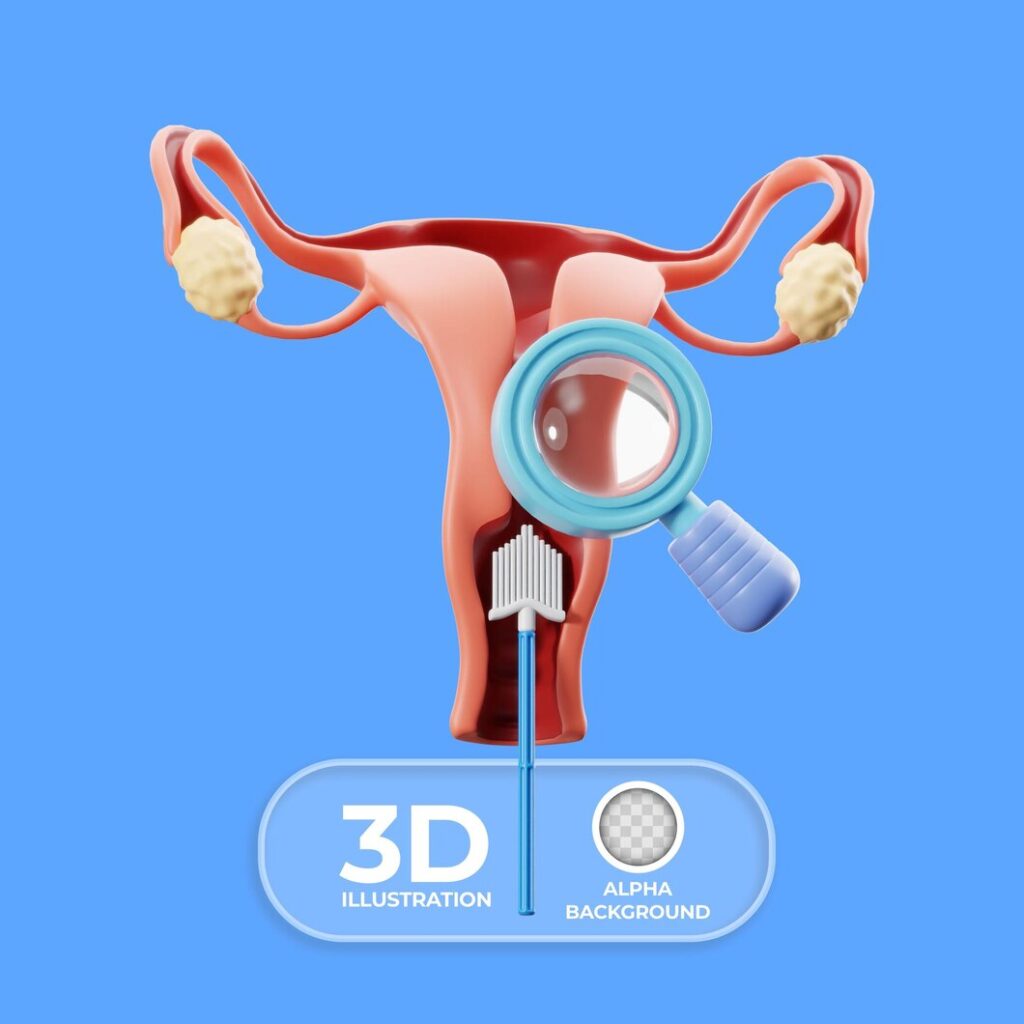
Cervical screening can help identify changes in cervical cells that may require further evaluation. We provide guidance regarding appropriate cervical screening based on age, medical history and recommended screening practices.
6. HPV Vaccination Guidance
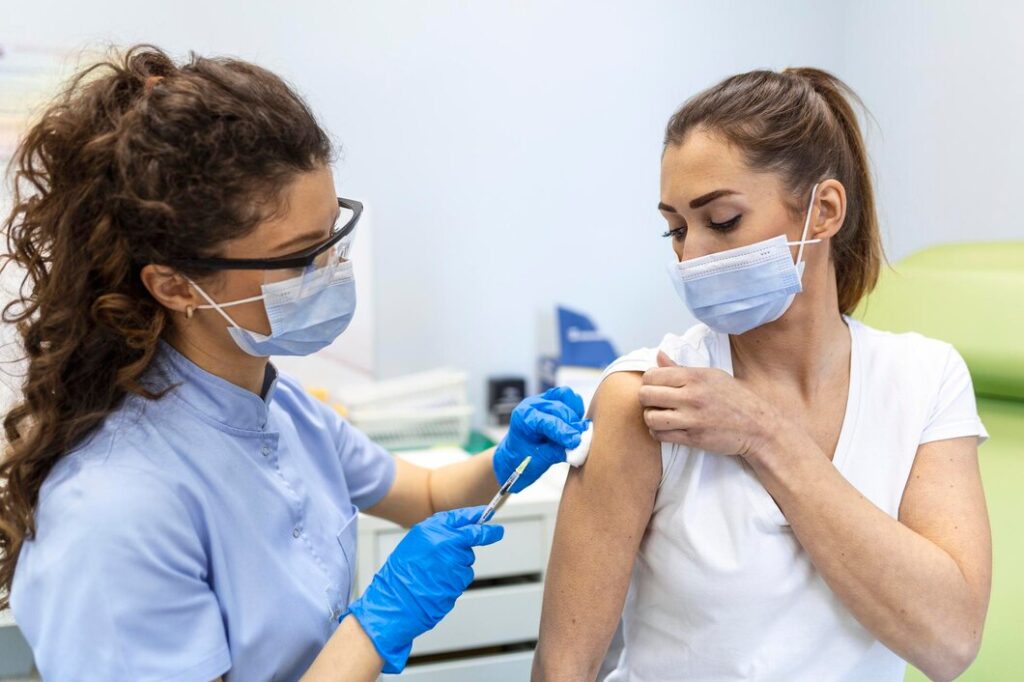
Human Papillomavirus (HPV) is associated with several health conditions, including cervical cancer. We provide information and guidance regarding HPV vaccination and cervical health as part of preventive women's healthcare.
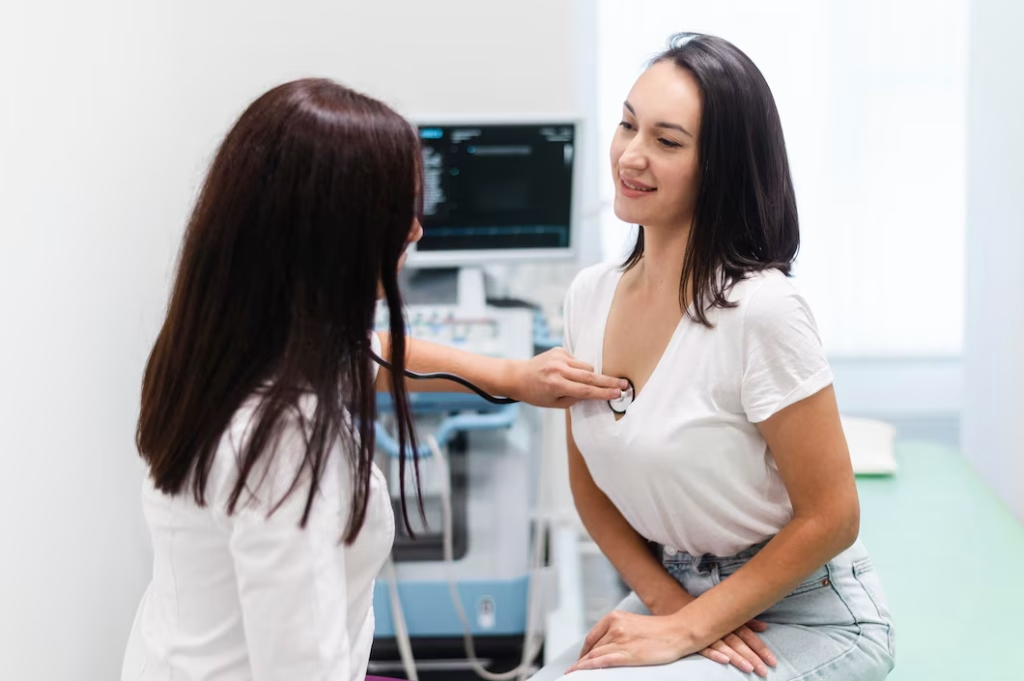
7. Breast & Women's Health Screening
Regular health assessments can help women become more aware of changes in their health. Screening recommendations vary depending on age, personal history, family history and individual risk factors.
Preventive Women's Healthcare
Gynaecological care is not only about treating symptoms. Regular consultations can also provide an opportunity to discuss:
- Menstrual health
- Reproductive health
- Cervical screening
- HPV vaccination
- Breast health
- Sexual and intimate wellness
- Hormonal concerns
- Preventive healthcare
When Should You Consult a Gynaecologist?
Consider seeking medical advice if you experience:
- Persistent irregular periods
- Very heavy bleeding
- Severe period pain
- Persistent pelvic pain
- Unusual vaginal discharge or irritation
- Difficulty conceiving
- Changes in menstrual patterns
- Any new or persistent reproductive health concern
Our Approach to Gynaecological Care
01.
Understand
We begin with your health and your reproductive goals.
02.
Plan
We discuss the evaluation and treatment options that fit you.
03.
Support
Guidance and compassionate care throughout your journey.

Frequently asked questions
The appropriate frequency depends on your age, medical history, symptoms and preventive healthcare needs.
Some menstrual discomfort can occur normally, but severe or worsening pain should be evaluated.
PCOS can affect ovulation and may contribute to fertility difficulties. Appropriate evaluation and management can help address individual fertility goals.
Persistent or significant menstrual irregularity may warrant medical evaluation to identify possible underlying causes.