Gynaecological

Gynaecological
Comprehensive Gynaecological Care for Every Stage of Womanhood
Women's health needs change throughout life. From adolescence and menstrual health to reproductive concerns and preventive screening, regular gynaecological care plays an important role in overall wellbeing.
At Janki FemCare – Fertility and Women Wellness, we provide personalised gynaecological consultations to help women understand their symptoms, identify possible underlying conditions and explore appropriate treatment options. Our approach combines careful evaluation, evidence-based medical guidance and compassionate care tailored to each woman's needs.
Whether you are experiencing irregular periods, painful menstruation, PCOS, unusual vaginal discharge or concerns about cervical health, we aim to help you make informed decisions about your healthcare.
Your health deserves attention, understanding and personalised care.
Comprehensive Gynaecology Services
1. PCOS / PCOD Management
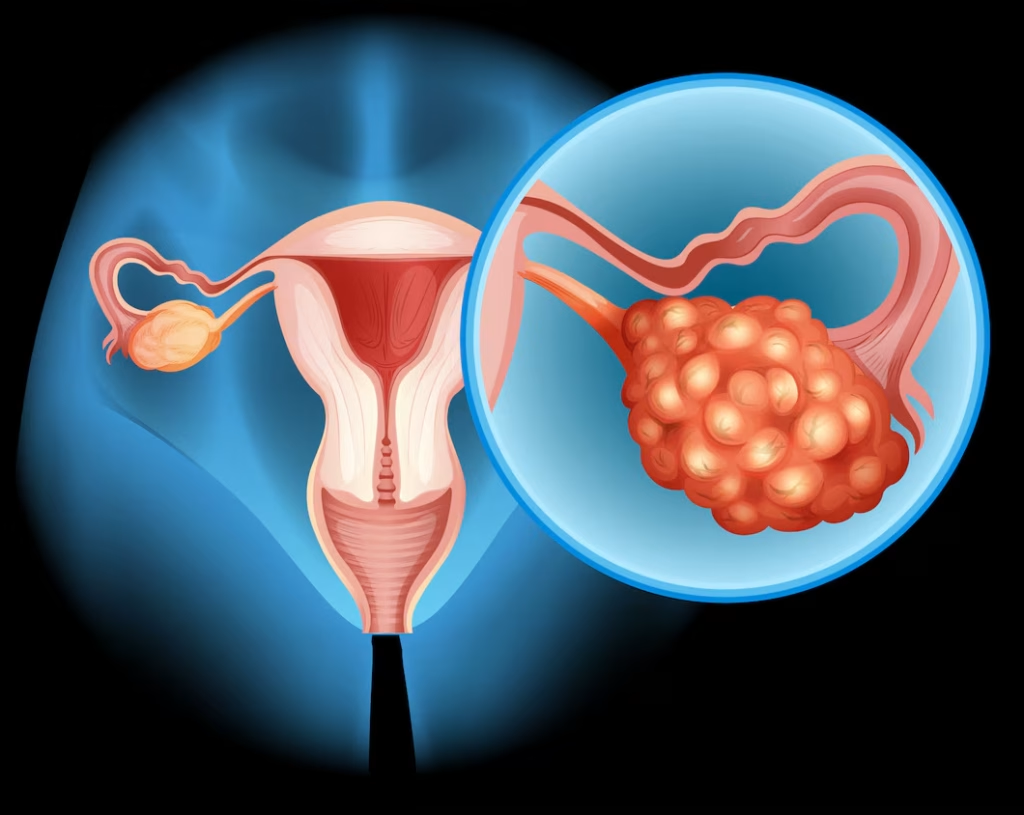
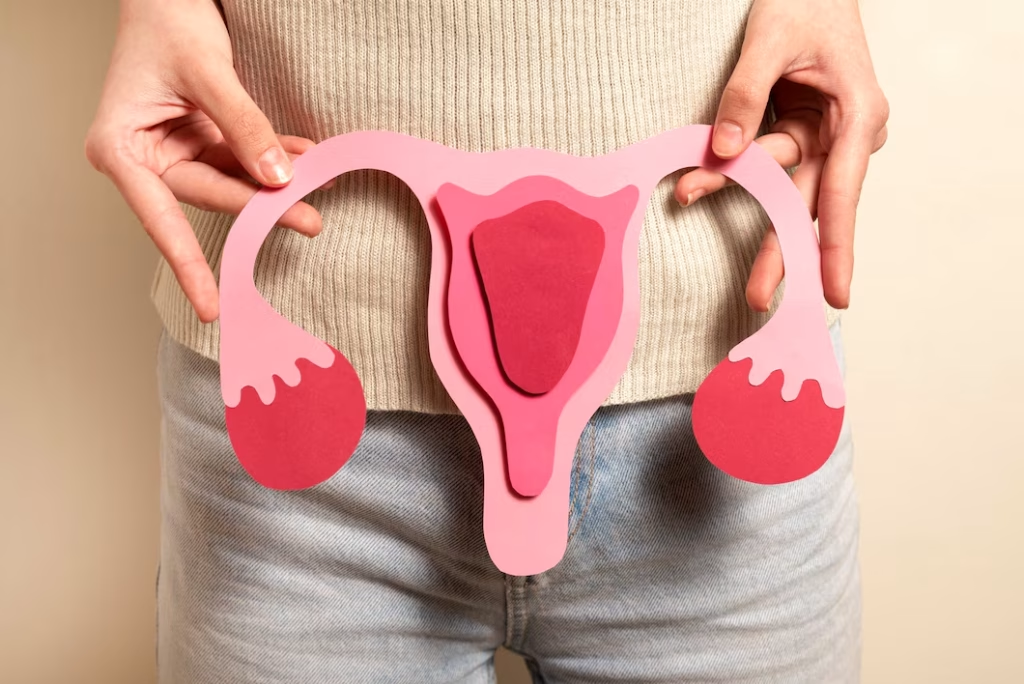
Polycystic Ovary Syndrome (PCOS), commonly referred to as PCOD, is a hormonal condition that can affect menstrual cycles, ovulation, skin health and metabolism. Some women may also experience difficulty conceiving.
Our approach to PCOS management focuses on understanding your symptoms, medical history and reproductive goals
Care may include:
- Evaluation of irregular periods and hormonal symptoms
- Assessment of ovulation and fertility concerns
- Lifestyle and metabolic health guidance
- Individualised medical management
- Long-term monitoring and follow-up
Early evaluation and appropriate management can help address symptoms and support long-term health.
2. Irregular Periods
Irregular periods may involve changes in cycle length, missed periods, unpredictable bleeding or variations in menstrual flow. Possible causes include hormonal changes, PCOS, thyroid disorders, stress, weight changes and other gynaecological conditions.
A consultation can help identify possible causes and determine whether further investigations are required.
Our care focuses on:
- Understanding menstrual patterns
- Evaluating associated symptoms
- Identifying possible hormonal or reproductive causes
- Discussing appropriate treatment and follow-up


3. Painful Periods
Period pain can range from mild cramps to severe discomfort that interferes with everyday activities. Persistent or worsening menstrual pain may sometimes be associated with conditions such as endometriosis, adenomyosis or fibroids.
We assess the severity, duration and pattern of your pain to help determine the appropriate next steps.
Gynaecological care may include:
- Evaluation of menstrual pain
- Assessment of associated symptoms
- Investigations where clinically indicated
- Individualised pain management
- Further evaluation for suspected underlying conditions
You do not need to simply tolerate severe period pain. Appropriate medical evaluation can help you understand its cause.
4. Uterine Fibroids
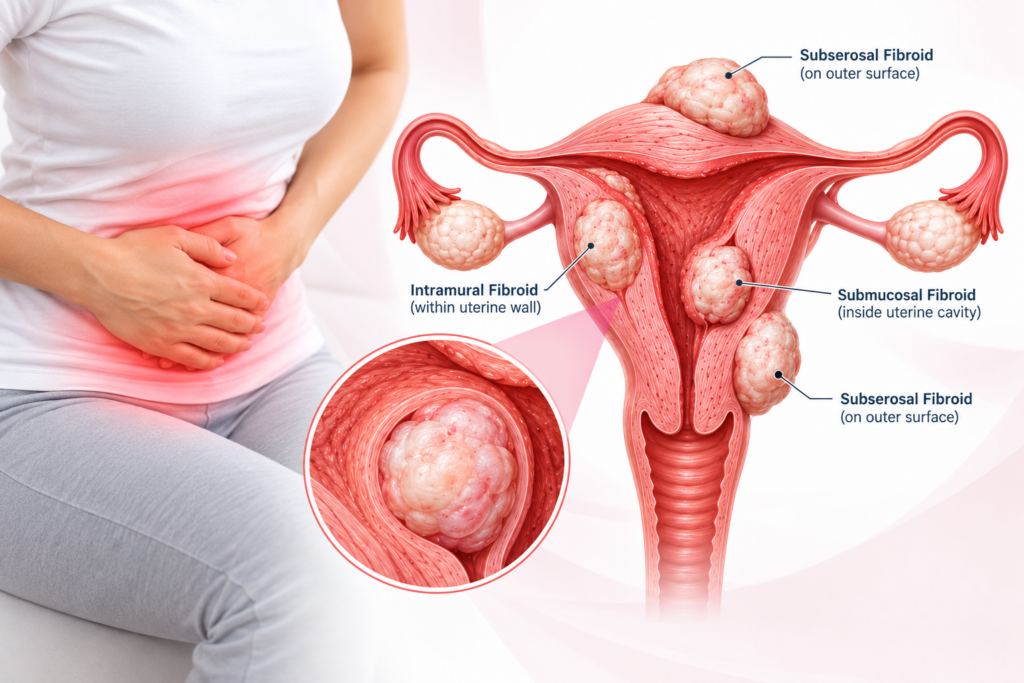
Uterine fibroids are non-cancerous growths that develop in or around the uterus. Their size, number and location vary, and some women may not experience symptoms.
When symptoms occur, they may include heavy periods, pelvic pressure, menstrual pain or reproductive concerns.
Our evaluation may focus on:
- Menstrual bleeding patterns
- Pelvic discomfort and pressure
- Ultrasound finding
- Fertility and pregnancy-planning considerations
- Suitable medical or procedural management options
Treatment depends on your symptoms, the characteristics of the fibroids and your individual reproductive goals.
5. Adenomyosis
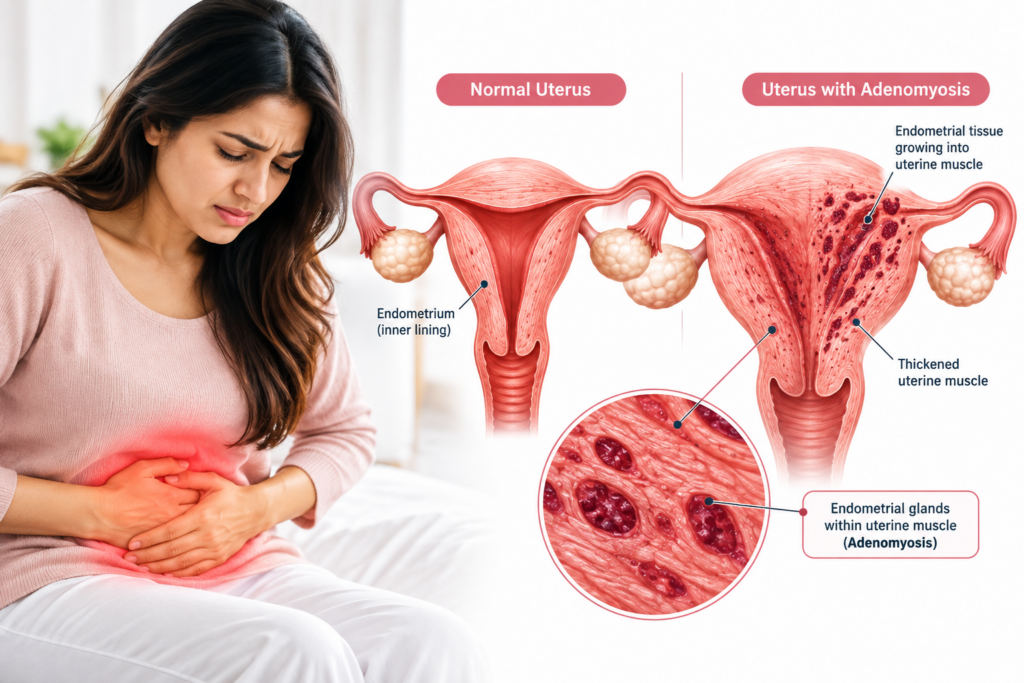
Adenomyosis is a condition in which tissue similar to the lining of the uterus grows within the muscular wall of the uterus. It can contribute to heavy menstrual bleeding, painful periods and pelvic discomfort.
Symptoms and their severity vary from person to person.
Care may include:
- Assessment of heavy or painful periods
- Review of medical history and symptoms
- Ultrasound or other investigations when appropriate
- Individualised symptom management
- Discussion of further treatment options based on clinical findings
Early evaluation can help clarify the possible cause of symptoms and guide appropriate care.
6. Vaginal Discharge & Vaginal Infections
Vaginal discharge can be a normal part of reproductive health. However, changes in colour, smell, consistency or quantity, particularly when accompanied by itching, burning or discomfort, may indicate an infection or another condition.
The correct treatment depends on the underlying cause, so evaluation is important before starting medication.
Consultation may involve:
- Assessment of discharge and associated symptoms
- Evaluation for possible vaginal or cervical infections
- Testing where clinically indicated
- Appropriate treatment based on the diagnosis
- Guidance on intimate hygiene and prevention
Seek medical advice if symptoms persist, recur or are accompanied by pelvic pain or fever.
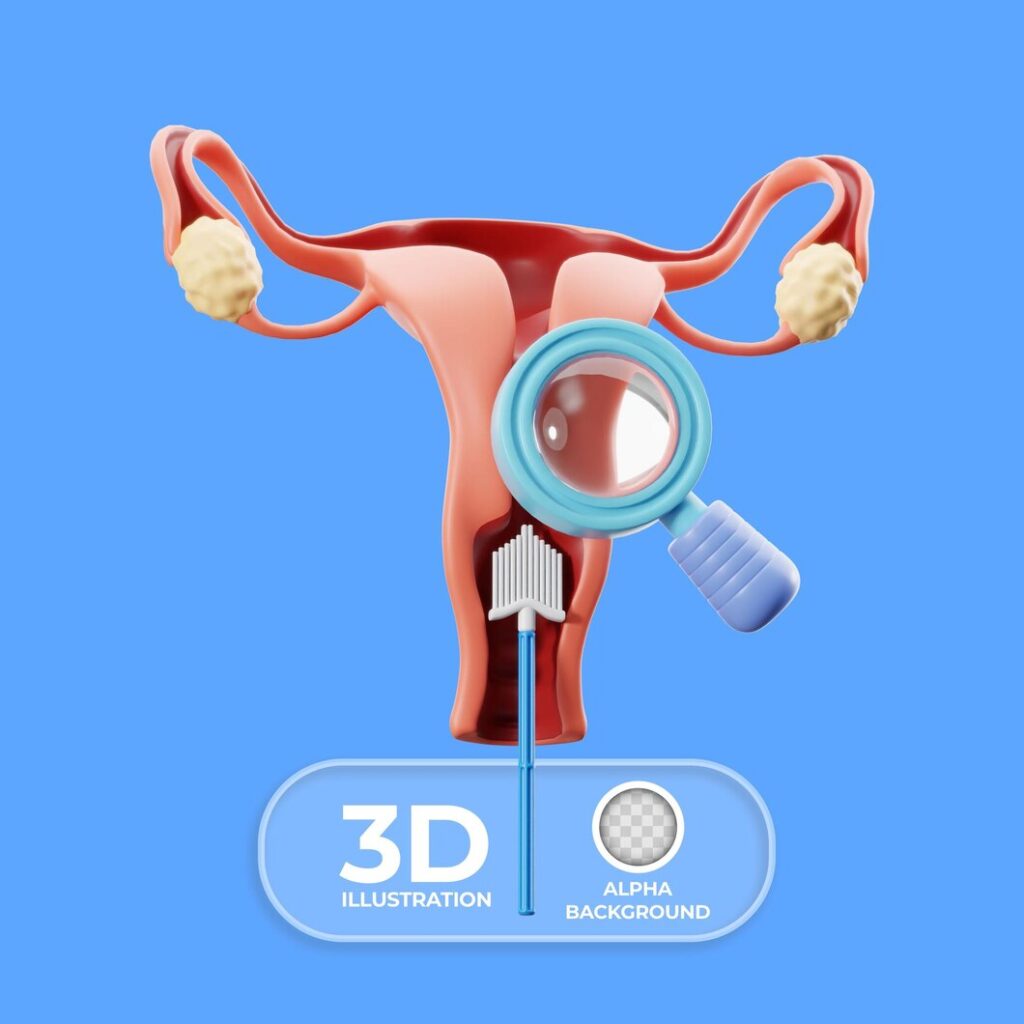
7. Pap Smear & Cervical Screening
A Pap smear is a screening test that looks for abnormal cells on the cervix that could potentially develop into cervical cancer. It is an important part of preventive women's healthcare.
Screening recommendations depend on factors such as age, medical history and previous screening results.
Cervical screening services may include:
- Guidance on Pap smear testing
- Review of previous screening reports
- Explanation of abnormal results
- Advice regarding follow-up investigations
- Personalised screening recommendations
An abnormal screening result does not automatically mean that you have cervical cancer. Appropriate follow-up helps determine whether further evaluation is needed.
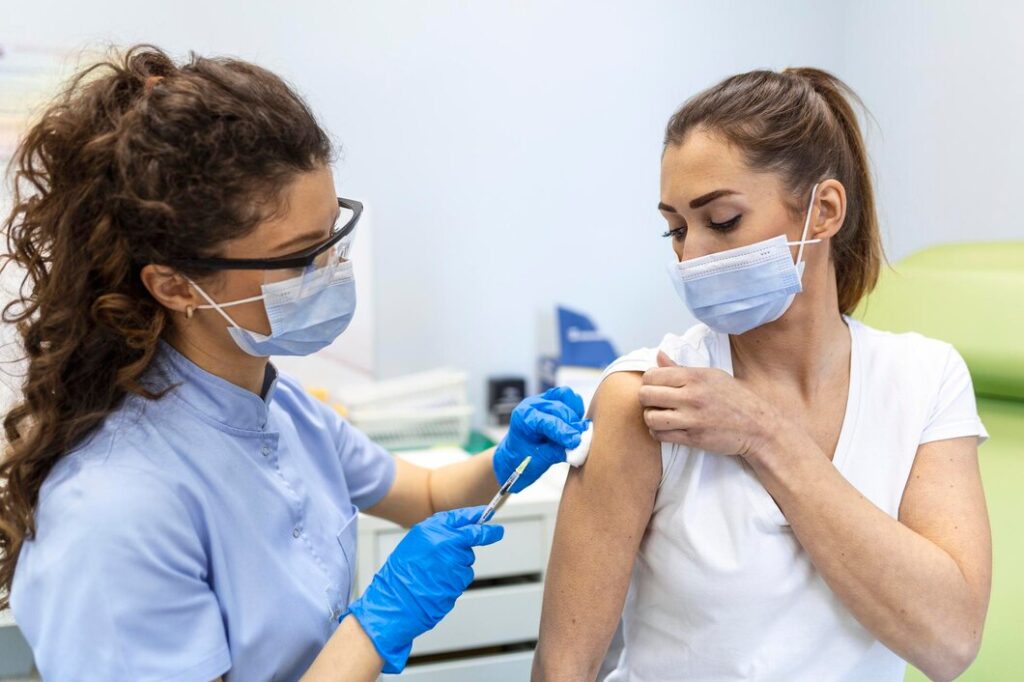
8. HPV Testing & HPV Vaccination Guidance
Human Papillomavirus (HPV) is a common virus, and certain high-risk types are associated with cervical cancer. HPV testing can help identify high-risk HPV types as part of cervical screening, depending on the recommended screening approach.
HPV vaccination helps protect against important HPV types associated with cervical cancer and other HPV-related diseases.
Our guidance may cover:
- Understanding HPV and its relationship to cervical health
- HPV testing and screening options
- HPV vaccination eligibility and timing
- Discussion of previous test results
- Recommended follow-up based on individual circumstances
HPV vaccination does not replace recommended cervical screening. Your doctor can guide you on the appropriate preventive care for your age and medical history.
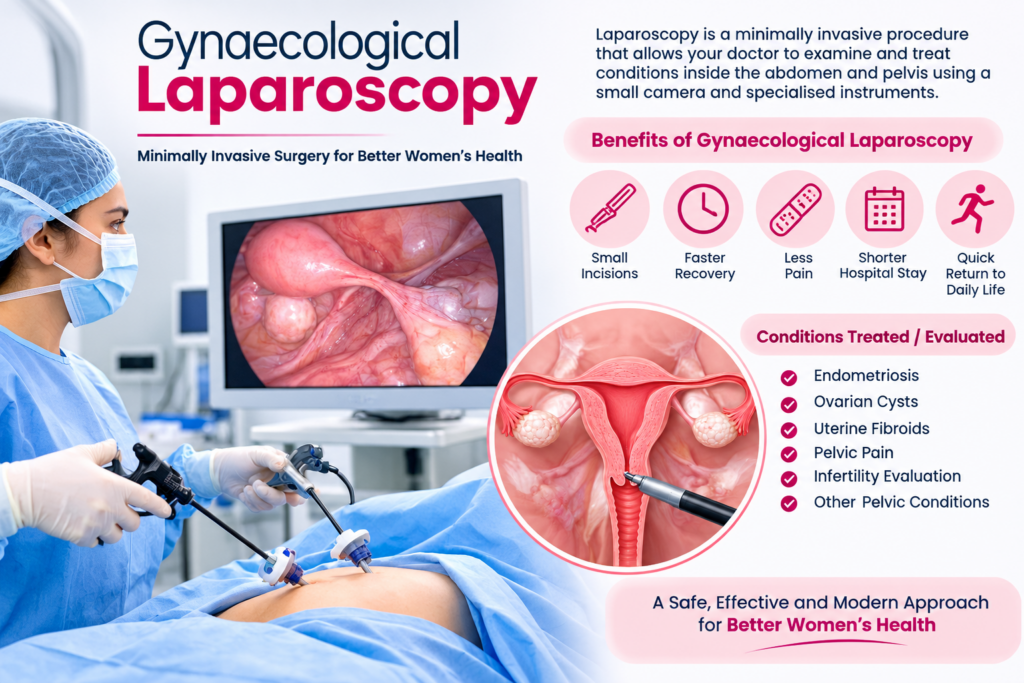
9. Gynaecological Laparoscopy
Laparoscopy is a minimally invasive surgical technique in which a surgeon uses a small camera and specialised instruments inserted through small abdominal incisions to examine or treat certain conditions.
Depending on the diagnosis, laparoscopy may be considered for selected conditions such as endometriosis, ovarian cysts, fibroids or other pelvic problems.
The consultation may include:
- Assessment of symptoms and diagnostic findings
- Discussion of whether surgery may be appropriate
- Explanation of the procedure and alternatives
- Review of potential benefits and risks
- Guidance regarding recovery and follow-up
The suitability of laparoscopy depends on the condition being treated and the patient's overall health.
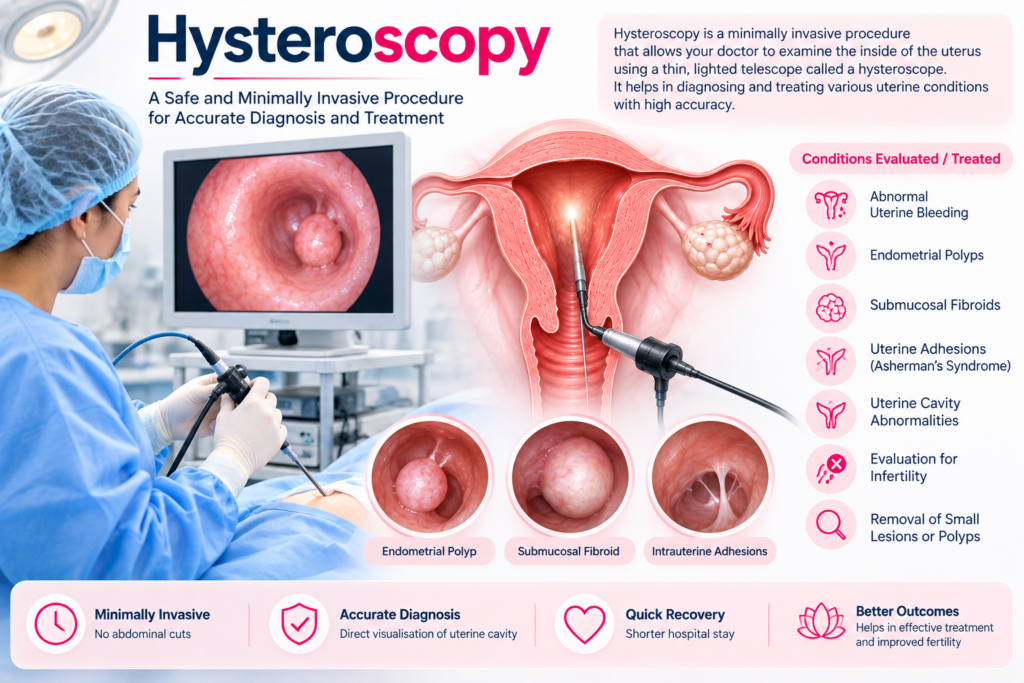
10. Hysteroscopy
Hysteroscopy is a procedure that allows a doctor to examine the inside of the uterus using a thin instrument with a camera, called a hysteroscope. It may be used to investigate certain causes of abnormal uterine bleeding or to diagnose and treat selected conditions inside the uterine cavity.
Depending on the findings, hysteroscopy may help evaluate or manage endometrial polyps, selected fibroids or other abnormalities within the uterus.
Care may involve:
- Evaluation of abnormal uterine bleeding
- Assessment of selected uterine cavity abnormalities
- Explanation of diagnostic or operative hysteroscopy
- Discussion of preparation and potential risks
- Post-procedure guidance and follow-up
Whether hysteroscopy is appropriate depends on your symptoms, investigations and clinical assessment
Our approach
01.
Understand
We begin with your health and your reproductive goals.
02.
Plan
We discuss the evaluation and treatment options that fit you.
03.
Support
Guidance and compassionate care throughout your journey.

Frequently asked questions
No. Irregular periods can have several causes, including PCOS, thyroid disorders, stress and other hormonal or gynaecological conditions. Evaluation can help identify the cause.
Mild cramps can be common, but severe, persistent or worsening pain should be assessed by a gynaecologist.
A Pap smear checks for abnormal cervical cells, while an HPV test looks for high-risk HPV types. The appropriate test or screening strategy depends on clinical guidance and individual circumstances.
They may affect reproductive health in some cases, depending on the condition and its severity. Individual assessment is important when planning pregnancy.
Laparoscopy examines or treats conditions inside the abdomen and pelvis through small abdominal incisions. Hysteroscopy examines the inside of the uterus through the cervix, usually without abdominal incisions.
No. Treatment depends on symptoms, diagnosis, clinical findings and reproductive goals. Some conditions can be managed without surgery.