Menopause & Women's Wellness

Menopause & Women's Wellness
Supporting Women Through Menopause and Beyond
Menopause is a natural stage of a woman's life. The transition towards menopause, known as perimenopause, can bring physical, emotional and hormonal changes that may affect everyday wellbeing.
At Janki FemCare, we provide personalised menopause and women's wellness care to help women understand these changes, manage symptoms and make informed decisions about their health.
Dedicated Fertility Professionals
24/7 Patient Support
Understanding Perimenopause & Menopause
Perimenopause is the transitional phase before menopause, during which hormone levels and menstrual patterns may change.
Menopause is reached when a woman has gone without a menstrual period for 12 consecutive months, when there is no other underlying cause.
Every woman's experience can be different.
- Menstrual concerns
- Ovulation-related concerns
- Fertility planning
- Hormonal evaluation
- Lifestyle guidance
- Long-term health management
Common Menopause Symptoms
Hormonal changes may be associated with symptoms such as:
- Hot flushes
- Night sweats
- Sleep disturbances
- Mood changes
- Changes in menstrual patterns
- Vaginal dryness
- Changes in sexual wellness
- Changes in energy and wellbeing
Not every woman experiences the same symptoms, and their severity can vary.
Hot Flushes & Night Sweats
Hot flushes and night sweats are common symptoms associated with menopause and can sometimes interfere with sleep, work and daily activities.
We help assess symptoms and discuss appropriate management options based on your individual circumstances.
Sexual Wellness
Changes in hormones, vaginal health, sleep, mood and overall wellbeing can affect sexual health during menopause.
We provide a comfortable and confidential environment where women can discuss intimate concerns openly and receive appropriate guidance.
Menopausal Hormone Therapy Counselling
Menopausal Hormone Therapy (MHT) may be considered for certain women experiencing menopausal symptoms.
Whether MHT is appropriate depends on individual factors including symptoms, age, medical history, personal risk factors and treatment goals.
At Janki FemCare, counselling focuses on helping women understand:
- Potential benefits
- Possible risks
- Available approaches
- Individual suitability
- Questions to discuss before treatment
Treatment decisions are made on an individual basis following appropriate medical evaluation.
Mood & Sleep Concerns
Hormonal changes during perimenopause and menopause can coincide with changes in mood, sleep and overall wellbeing.
Persistent or significant symptoms deserve attention. A consultation can help explore possible contributing factors and appropriate support.
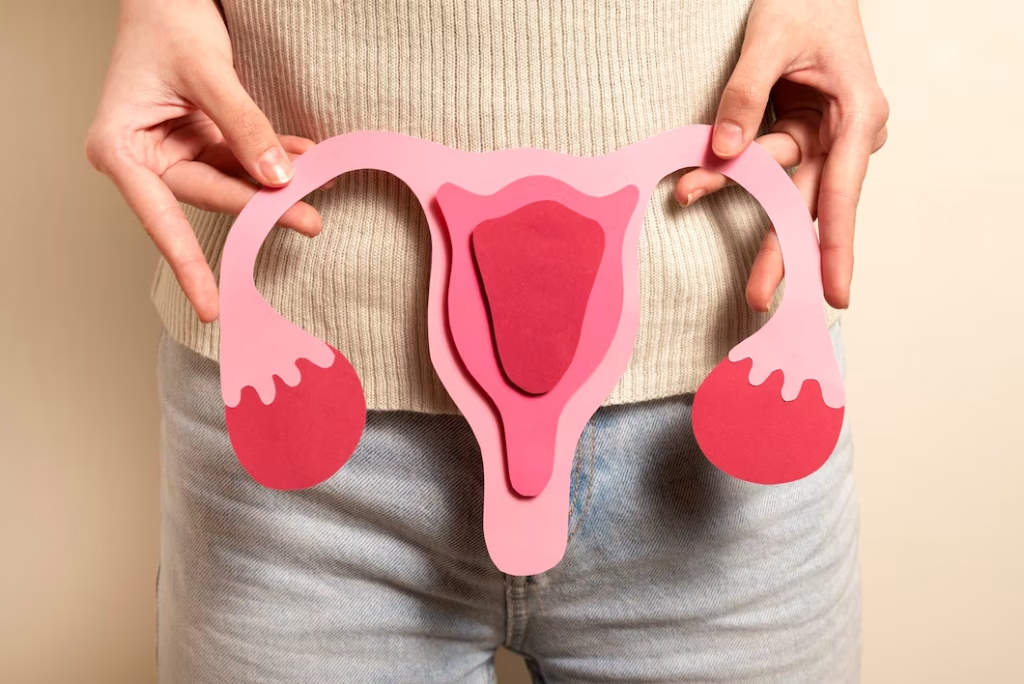
1. Vaginal Dryness & Intimate Health
Reduced oestrogen levels during menopause can contribute to vaginal dryness and discomfort for some women. These symptoms can affect comfort and intimate wellbeing. We can discuss available management approaches based on individual symptoms and health considerations.

2. Bone & Metabolic Health
Women's health after menopause extends beyond managing symptoms. Bone health, cardiovascular health, metabolic health, lifestyle and long-term wellbeing become important considerations as women age. Personalised preventive guidance can help women understand the areas that may require attention.

3. Healthy Ageing for Women
Healthy ageing is about more than simply managing menopause symptoms. It includes maintaining physical health, emotional wellbeing, reproductive and intimate health, healthy lifestyle habits and appropriate preventive healthcare. Our approach focuses on helping women move through this stage of life with greater understanding and confidence.

4. Personalised Menopause Care
There is no single menopause experience and there is no single approach that works for every woman.
We consider:
- Your symptoms
- Medical history
- Lifestyle
- Personal health goals
- Risk factors
- Individual treatment preferences
This helps us develop a care approach suited to your needs.
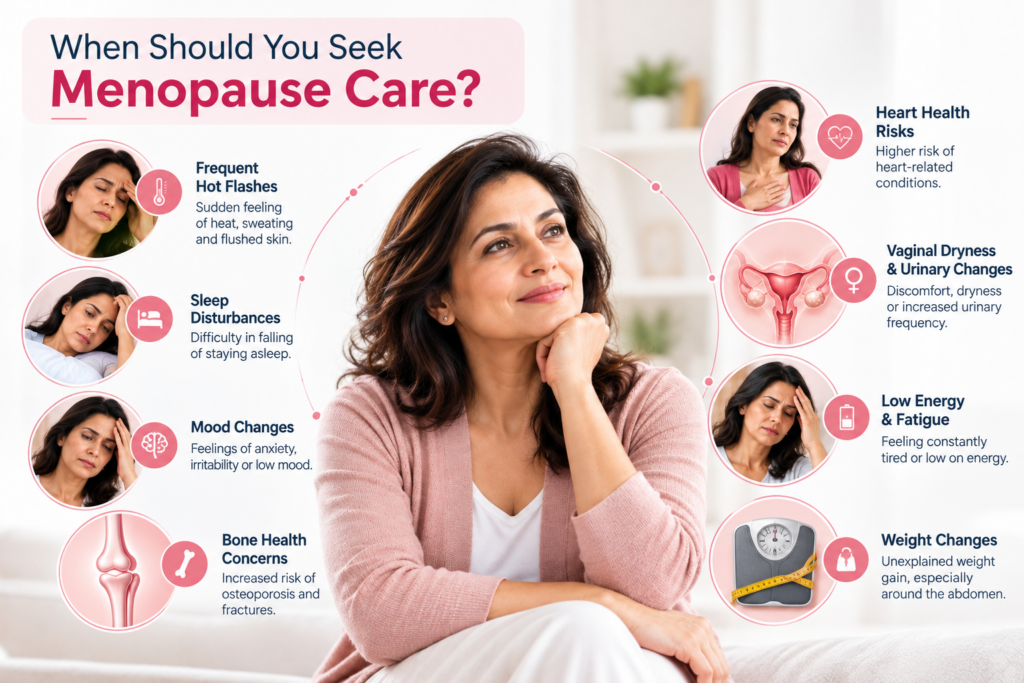
5. When Should You Seek Menopause Care?
Consider a consultation if you are experiencing:
- Consider a consultation if you are experiencing:
- Sleep problems
- Significant mood changes
- Irregular periods during perimenopause
- Vaginal dryness or discomfort
- Sexual wellness concerns
- Concerns about bone or metabolic health
- Questions about MHT
- Difficulty managing menopause symptoms
Our Approach to Gynaecological Care
01.
Understand
We begin with your health and your reproductive goals.
02.
Plan
We discuss the evaluation and treatment options that fit you.
03.
Support
Guidance and compassionate care throughout your journey.

Frequently asked questions
Perimenopause is the transition towards menopause, during which hormonal and menstrual changes may occur.
No. Symptoms, their severity and their duration can vary considerably between women.
No. MHT suitability depends on individual medical history, symptoms and risk factors and should be discussed with a qualified healthcare professional.
There are different approaches to managing vaginal dryness, depending on its cause, severity and individual health considerations.